PWS can affect siblings’ emotional well-being, new review finds
Study highlights stress, family strain, and need for support
Written by |
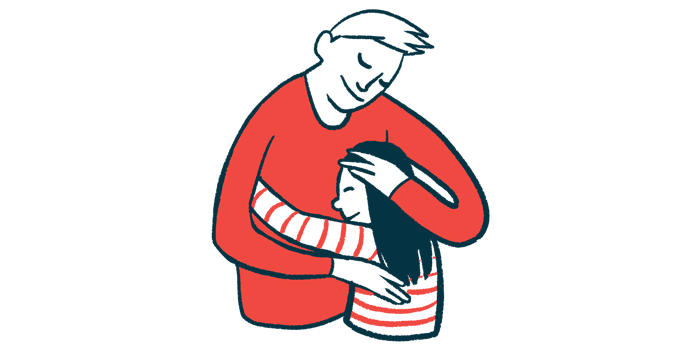




Typically developing siblings of children with Prader-Willi syndrome (PWS) often report feeling misunderstood and isolated, a new review highlights.
The results underscore that PWS care needs to support not only the child with the condition and their parent(s), but also the entire family system.
“Family context shapes sibling experiences in Prader-Willi syndrome,” the researchers wrote. “Findings foreground the need for a family-centered approach in future research and practice, from the early stages of disclosing the diagnosis to the family through to developing interventions for the siblings.”

Review examines sibling experiences and support needs in PWS
The study, “Experiences and Support Needs of Siblings of Individuals With Prader-Willi Syndrome: An Integrative Systematic Review,” was published in the Journal of Applied Research in Intellectual Disabilities by researchers in the U.K.
PWS is a genetic disorder marked by abnormalities in development. Having a child with a rare developmental disorder can affect the entire family system, and research has explored how PWS can affect life for parents of children with the condition.
“However, research on siblings of children with disabilities has often relied on parental reports, with limited input from the siblings themselves,” the researchers wrote. “Addressing this gap is essential to understand how the unique challenges of having a family member with Prader-Willi syndrome affect sibling and family dynamics.”
With this in mind, the researchers conducted a review of scientific literature published between October 2000 and May 2024 to examine the experiences and support needs of siblings of people with PWS.
Out of more than 7,500 initial results, seven studies met the eligibility criteria and were included in the final analysis. Four studies included both parent and sibling perspectives, two focused on siblings’ perspectives, and in one study parents reported how they viewed their children without PWS as being affected.
Six studies focused solely on PWS. A total of 673 participants were involved, most of whom (72.8%) were siblings, and about one-third were siblings of people with PWS. Three studies were based in the U.S., two in England, one in Canada, and one in Ireland.
Findings highlight emotional impact and family strain
By pooling data from these studies, the researchers highlighted three main areas of impact. First, PWS was associated with negative emotional effects in typically developing siblings, who often reported feeling stressed and misunderstood, and sometimes taking on caregiving responsibilities within the family.
“Siblings reported an overall negative impact on self and emotional fatigue due to the unpredictability of their brother or sister with Prader-Willi syndrome, requiring them to always be prepared for unexpected situations, and resulting in unhappiness,” the researchers wrote.
A second theme was that PWS can create strain within family relationships. Typically developing siblings often felt like their lives revolved around their brother or sister with PWS, and siblings “often felt unable to communicate openly with their parents,” the researchers wrote.
The demands of the condition and the need for close supervision and structured routines also affected family life and how siblings interacted with others outside the home.
They “influenced their reactions to disabilities in general and compounded their experiences outside the family home, where they felt lonely and misunderstood,” the researchers wrote. “From this perspective, the sibling experience in Prader-Willi syndrome appears to be characterised by loneliness both inside and outside the family home.”
Siblings develop strategies to cope with challenges
The third theme highlighted strategies that siblings developed to help them cope with these stressors. These strategies included finding practical ways to manage day-to-day challenges, seeking support from caregivers or professionals, and making time for themselves away from family demands.
The researchers emphasized that available data are limited to a small number of studies, calling for further work to develop ways to better support families affected by PWS.
“Future research might … benefit from seeking multiple perspectives from varied angles, including from the person with Prader-Willi syndrome and their parents,” the scientists concluded. “These factors might help to tailor interventions, which may be especially crucial when/if siblings take over the caregiving responsibility from their parents and to address the unmet support needs of siblings and families of people with Prader-Willi syndrome.”