Probiotics may boost beneficial gut bacteria in Prader-Willi syndrome
Review: Promising effects also observed in area of social interactions
Written by |
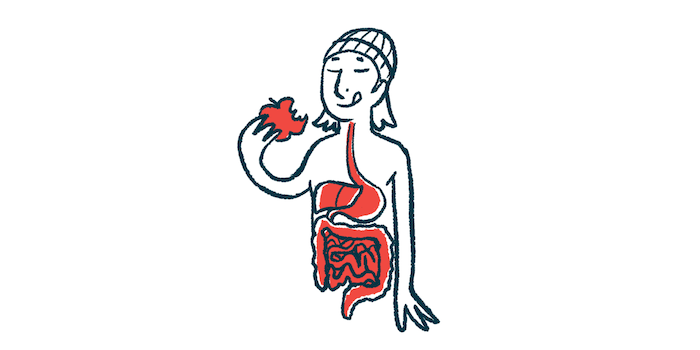




Probiotic supplementation may increase the gut abundance of beneficial bacteria of the Bifidobacterium genus and improve social interactions in people with Prader–Willi Syndrome (PWS), without causing gastrointestinal adverse events.
These are the main findings of a review study that pooled data from appropriately controlled clinical trials testing supplements of probiotics, or live microorganisms found in foods such as yogurt and fermented products that may support gut health.
“Additional investigation is required to comprehensively comprehend the connection between PWS and the gut microbiome, as well as its potential ramifications for the disease [manifestations],” researchers wrote.
The gut microbiome refers to the gut microbiota — the large community of bacteria and other microbes that live in the digestive tract — their genes, and the chemical products, or metabolites, they produce.
The review study, “Effects of probiotics on patients with Prader–Willi syndrome: a systematic review and meta-analysis of randomized controlled trials,” was published in Frontiers in Nutrition by a team of researchers in Taiwan.

Gut microbiota crucial to central nervous system balance
PWS is caused by a loss of function of genes located on a specific section of chromosome 15 called the PWS locus. These genes control a wide range of bodily functions, and their loss leads to hallmark symptoms such as excessive hunger, poor growth, intellectual disability, and behavioral problems.
The role of the gut microbiota “is not limited to the gastrointestinal system; instead, it is crucial in the [balance] of the central nervous system [brain and spinal cord] via the gut-microbiota-brain axis,” the researchers wrote. “The gut-brain bidirectional dialogue can involve various modalities such as the chemical, neuronal, or immunological pathways.”
As such, probiotics that may improve or restore the composition of the gut microbiota may be a new intervention to help ease PWS symptoms, including obesity, gastrointestinal, and neurodevelopmental issues.
Here, the researchers systematically reviewed studies published up to February 2025 that reported results from appropriately controlled clinical trials that evaluated the effects of probiotic supplementation in people with PWS.
Five studies, each corresponding to a separate trial and published between 2020 and 2022, were included in the meta-analysis. The trials, conducted in the U.S., Spain, and China, included a total of 239 children and adults with PWS, who were randomly assigned to receive either probiotics or a placebo.

No differences seen in behavioral problems, emotional responses
In terms of probiotics, four trials used Bifidobacterium animalis subsp. Lactis strains and one used Limosilactobacillus reuteri LR-99. Taken in the form of capsules, gum, or tablets, probiotic supplementation lasted 12 weeks (about three months) in four studies, and one month in one study.
Three studies evaluated the levels of Bifidobacterium, a group of beneficial gut bacteria, in the stool or saliva after probiotic supplementation. Pooled data showed a 21% increase in Bifidobacterium abundance after supplementation, although this result was only close to reaching statistical significance. This trend was not affected by participants’ age or country.
“An increased abundance of Bifidobacterium has been linked to the alleviation of gastrointestinal symptoms such as constipation, anti-inflammatory effects, and a reduction in abdominal visceral fat — a major factor in metabolic disorders,” the researchers wrote.
This systematic review provides a valuable basis for considering probiotics as an adjunct treatment for PWS patients, with some promising effects observed, particularly in the area of social participation.
Three studies assessed the probiotics’ effects on behavioral problems, and two of them also reported effects on emotional responses and social interactions. Pooled data showed no significant differences between the treatment and the placebo groups at the study’s start.
There were also no significant differences in terms of behavioral problems and emotional responses after six or 12 weeks of probiotic supplementation. However, there was a significant improvement in social interactions after 12 weeks of supplementation. Still, the team emphasized that the evidence remained of “low certainty” due to variability between studies and small sample sizes.
Pooled findings from the two studies that explored whether probiotics caused gastrointestinal adverse events showed no increase in the rates of abdominal pain and diarrhea.
“This systematic review provides a valuable basis for considering probiotics as an adjunct treatment for PWS patients, with some promising effects observed, particularly in the area of social participation,” the researchers wrote. “However … evidence is still insufficient to draw definitive conclusions regarding the broader therapeutic potential of probiotics for PWS.”