
Skin picking in Prader-Willi stems from unique drive, study reveals
Japanese researchers find no direct link to sensory issues, IQ, or genetic subtypes
Written by |
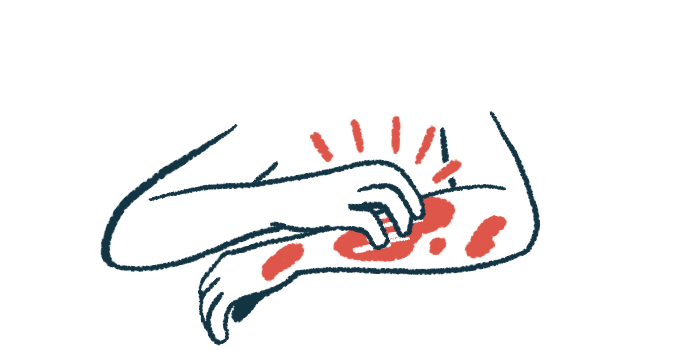




Skin picking among people with Prader-Willi syndrome (PWS) varies widely but is not driven by general behavioral problems, sensory processing difficulties, or genetic subtypes, a study in Japan suggests.
The findings indicate that skin picking in PWS may be an independent neurobehavioral feature rather than a byproduct of overall psychiatric or sensory issues. As a result, researchers suggest that managing this symptom requires its own targeted approach.

Understanding genetics in PWS
“These findings suggest that skin picking in patients with PWS may reflect a relatively independent neurobehavioral feature and could inform future research regarding its underlying mechanisms,” they wrote.
The study, “Skin Picking in Prader-Willi Syndrome: Independent of Sensory Processing, Maladaptive Behaviors, and Genetic Subtype,” was published in the American Journal of Medical Genetics Part B: Neuropsychiatric Genetics.
PWS is a complex disorder caused by mutations that affect a specific region, called the PWS locus, in the paternal copy of chromosome 15. The paternal copy of this chromosome (rod-like structures where genes are located) is activated in most body tissues, while the maternal copy is silenced.
In most cases, PWS arises from a paternal genetic deletion, in which the PWS locus inherited from the father is missing. In a smaller number of cases, the disease is caused by maternal uniparental disomy, where two copies of chromosome 15 are inherited from the mother and none from the father.
Regardless of the specific type of underlying mutation, people with PWS tend to experience many of the same symptoms, such as short stature, low muscle tone, an intense drive to eat (hyperphagia), obesity, developmental delays, and a range of behavioral and psychiatric difficulties.
Skin picking is one of the most common and troubling behaviors seen in people with PWS. It can lead to open wounds, infections, and scarring, creating a significant burden for both patients and caregivers. Despite its clinical importance, what drives this behavior remains unclear.
“Skin picking in PWS remains a major challenge in clinical assessments and intervention strategies,” the researchers wrote.
Previous studies suggested that sensory processing issues or general maladaptive behaviors — such as irritability, hyperactivity, or repetitive movements — might trigger self-injurious actions.
To explore these potential links, investigators reviewed records for 65 Japanese individuals with genetically confirmed PWS evaluated at a single center between 2021 and 2025. The group included 25 females and 40 males, with a mean age of 21.5 years.
Skin-picking severity was evaluated using the patient-reported Skin Picking Scale (SPS), which measures urges, time spent picking, distress, and daily life disruption. Sensory processing was measured using the Short Sensory Profile, a caregiver-reported questionnaire assessing factors such as touch sensitivity and responses to movement or sound. Maladaptive behaviors were measured with the caregiver-rated Aberrant Behavior Checklist.

An independent behavioral feature
The severity of skin picking varied widely among participants. However, the researchers found no significant link between SPS scores and sensory processing issues, maladaptive behaviors, cognitive ability (IQ), or genetic subtypes.
Antipsychotic medication use also showed no direct association with skin-picking severity. While people being treated for diabetes initially showed lower skin-picking scores, this association became non-significant after adjusting for age, IQ, and medication use, though the same general pattern remained.
Separately, individuals with maternal uniparental disomy were more likely to be prescribed antipsychotic medication than those with the deletion subtype (47.1% compared with 18.8%). Other clinical features, including eczema, skin damage, and signs of infection, were similar between the two genetic subtypes.
The findings suggest that skin picking in PWS is more likely an independent neurobehavioral feature rather than a direct result of general behavioral problems or sensory processing differences.
The researchers suggested that other factors not measured in this study, such as obsessive-compulsive behaviors, difficulties with emotional regulation, anxiety, or autism-related traits, might be more relevant to skin picking and could be investigated in future research.
“A more targeted psychiatric framework may be necessary to better understand, assess, and manage skin picking behaviors in this population,” the team concluded.


Leave a comment
Fill in the required fields to post. Your email address will not be published.